In the rich tapestry of traditional desserts, few sweet dishes hold as sacred and comforting a position as rice kheer. This slow-cooked milk and rice pudding, infused with green cardamom, saffron, and a wealth of crunchy nuts, has been the centerpiece of celebrations, festivals, and family gatherings for generations. It is a dish that connects people to their roots, carrying with it a sense of warmth, hospitality, and nostalgia.
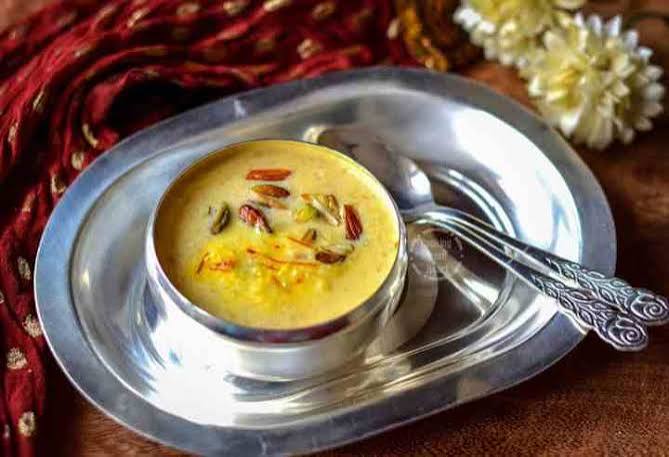
When prepared correctly, a traditional kheer features an incredibly rich, creamy, and velvety texture where the milk has been reduced to a thick consistency, and the rice grains have completely broken down to blend seamlessly into the liquid. It strikes a perfect balance of sweetness without being overwhelming, allowing the natural aromas of the dairy and spices to stand out.
However, making a flawless traditional kheer requires patience and an understanding of milk reduction techniques. Rushing the process over high heat can result in burnt milk or a watery pudding that separates on the plate.
This comprehensive guide will walk you through the essential ingredients, the science of milk reduction, and the step-by-step methods needed to master the art of traditional rice kheer right in your own kitchen.
The Chemical Harmony of Starch and Dairy
To successfully make a rich kheer, it helps to understand the culinary science behind the dish. Unlike modern puddings that rely on external thickening agents like cornstarch, gelatin, or heavy cream, a traditional kheer relies entirely on the natural starches present within the rice grains themselves.
As the rice slowly simmers in the milk over low heat, the starch molecules within the grains expand, absorb liquid, and gradually burst open. This releases amylose starch directly into the milk.
Simultaneously, the heat causes the water content in the milk to evaporate, concentrating the dairy fats and proteins.
When the released rice starch combines with the reducing milk proteins, they create a beautifully thick, cohesive emulsion. This natural thickening method gives kheer its unique, velvety texture that coats the back of a spoon perfectly without ever feeling heavy, pasty, or artificial.
Selecting Premium Ingredients for Maximum Depth
Because a traditional kheer relies on a minimalist list of ingredients, the quality and type of each component directly dictate the final flavor, aroma, and mouthfeel of the dessert.
First, the choice of rice is highly critical. For authentic kheer, always select aged, aromatic basmati rice, preferably the broken variety. Broken basmati rice releases its starches much faster and creates a smoother texture than long-grain rice. The natural floral aroma of basmati pairs beautifully with the sweet dairy.
Second, the milk forms the entire body of the dish. Full-cream whole milk is non-negotiable for this recipe. Avoid using skim milk, low-fat options, or powdered milk alternatives, as they lack the necessary dairy fats required to achieve that luxurious, slow-cooked creaminess.
Third, the aromatic enhancements must be fresh. Green cardamom pods should be freshly crushed to release their volatile oils, as pre-ground cardamom powder quickly loses its punch. High-quality saffron strands are also essential, providing a subtle, earthy luxury and lending a gorgeous, warm cream-golden tint to the finished pudding.
Preparing the Rice and Setting the Stovetop
The preparation process begins with treating the rice with care. Start by washing your aromatic basmati rice thoroughly under cold running water to remove excess surface dust, taking care not to scrub too hard and strip away all the valuable internal starches.
Once washed, submerge the rice in clean water and let it soak undisturbed for roughly thirty minutes. Soaking softens the grain structure, ensuring that the rice cooks evenly and breaks down effortlessly during the long simmering process.
After soaking, drain the water completely. For an authentic textural upgrade, use your fingers to gently crush the softened rice grains into smaller, irregular fragments.
Alternatively, you can toss the damp rice with a teaspoon of pure ghee. Coating the raw rice in ghee before it hits the dairy prevents the grains from clumping together into large lumps and introduces a faint, toasted, nutty undertone to the base of the kheer.
The Art of Slow Simmering and Reduction
With your ingredients ready, pour the fresh full-cream milk into a large, heavy-bottomed pot or a traditional deep pan. Using a heavy-bottomed vessel is absolutely crucial for kheer making, as it distributes heat evenly and prevents the dairy fats from catching and burning at the bottom of the stove.
Bring the milk to a rolling boil over medium-high heat, stirring occasionally. The moment the milk boils and rises, reduce the heat to the lowest setting and introduce your prepared basmati rice into the pot.
From this point forward, the recipe demands your patience and a gentle, consistent hand.
Allow the mixture to simmer gently on low heat for roughly forty to fifty minutes.
During this extended cook, you must stir the pot every few minutes using a wooden spoon or a silicone spatula, scraping the bottom and the interior corners of the pan carefully.
As the milk bubbles, dairy solids will naturally form along the side walls of the pot. Use your spatula to scrape these thickened cream layers back into the boiling liquid. This process, known traditionally as incorporating the malai, acts as a natural thickener and gives the kheer its prized, grainy, and ultra-rich texture.
Introducing Sweetness and Aromatics
You will know the kheer is approaching its peak when the milk has reduced by nearly half its original volume, and the rice grains look completely soft, bloated, and thoroughly integrated into the cream. The rice should no longer settle separately at the bottom of the pot when you stop stirring.
Once this stage is reached, it is time to introduce the sugar. Always add the sugar toward the end of the cooking process, after the rice is completely cooked. Adding sugar too early coats the rice grains and prevents them from softening properly, leaving you with hard centers.
Stir in granulated white sugar, adjusting the quantity to your taste, and watch as the mixture liquefies slightly as the sugar melts.
Immediately follow the sugar with your freshly crushed green cardamom powder and your saffron strands, which should be pre-soaked in a tablespoon of warm milk to activate their golden color.
Simmer the kheer for an additional ten minutes, stirring constantly as the sugar caramelizes slightly, turning the pudding from a stark white into a beautiful, pale ivory-golden shade filled with aromatic warmth.
The Crunch Factor and Final Assembly
A great traditional kheer is defined not just by its creamy base, but also by the pleasant contrast of textures introduced through a thoughtful mix of nuts and dried fruits.
In a separate tiny pan, heat a teaspoon of pure ghee over low heat. Toss in a generous handful of slivered almonds, chopped pistachios, and whole cashews.
Fry the nuts gently for just a minute until they turn a light golden color and release an incredible roasted fragrance.
Pour these hot, ghee-roasted nuts directly into the simmering kheer, reserving a small handful for the final visual decoration.
If you enjoy a fruity note, you can also add golden raisins during this stage. The raisins will plump up inside the hot milk, providing juicy bursts of tart sweetness that cut through the rich density of the cream beautifully. Turn off the heat when the kheer achieves a thick but still pourable consistency, keeping in mind that the pudding will firm up significantly as it cools.
Presentation, Serving, and Proper Storage
Traditional rice kheer is incredibly versatile when it comes to serving temperatures, making it a favorite for all seasons.
Serving it warm straight from the stove offers a deeply comforting, rustic experience that is perfect for winter evenings or festive dinners.
Alternatively, transferring the kheer into traditional unglazed clay bowls and chilling it in the refrigerator for a few hours transforms it into a refreshing, dense, and set summer treat. The clay bowls naturally absorb excess moisture, making the chilled kheer even thicker and more luxurious.