Desserts hold a sacred place in the world of culinary traditions, acting as the sweet finale to grand feasts and intimate family gatherings alike. Among the vast array of traditional sweets, few dishes command the same level of adoration and nostalgia as a bowl of warm gulab jamun. These golden-brown, milk-solid dumplings, deeply soaked in a fragrant cardamom and rose water sugar syrup, are the ultimate symbol of celebration and hospitality.
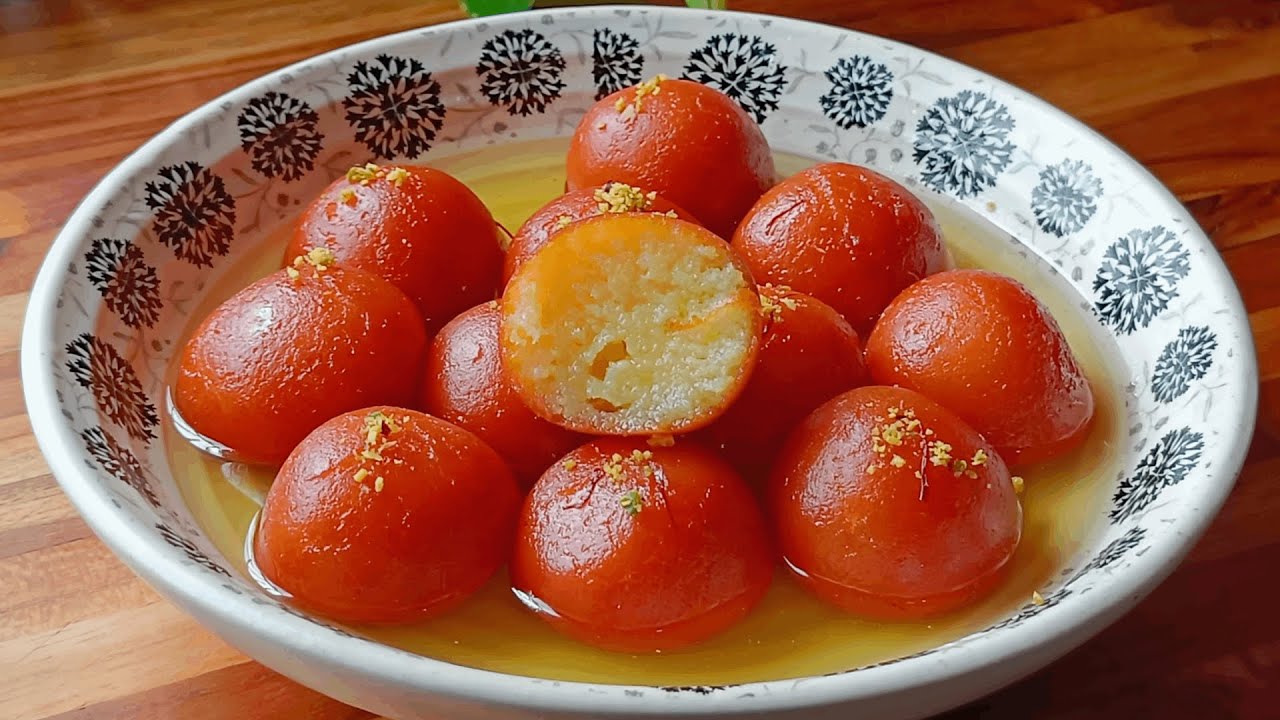
When executed perfectly, a gulab jamun is a marvel of texture and flavor. It should be incredibly soft, melting effortlessly on the tongue, and thoroughly saturated with sweet syrup right down to its very core without any hard center.
However, achieving this legendary softness can be a daunting challenge for many home cooks. All too often, homemade versions turn out either too hard, crumbly, or unpleasantly dense in the middle.
This comprehensive guide will demystify the entire process, exploring the precise science of dough hydration, temperature control, and syrup absorption to ensure you create restaurant-quality gulab jamun in your own kitchen.
The Chemical Balance of the Perfect Dough
The journey to flawless gulab jamun begins with understanding the structural framework of the dough. Traditional recipes rely on khoya, which is milk heavily reduced over many hours until only the rich solids remain. In modern home kitchens, high-quality milk powder is frequently used as an excellent and reliable alternative that yields an incredibly soft texture when balanced correctly.
The core challenge of this dough is managing gluten development. Unlike bread making, where you want to develop a strong, stretchy network of gluten to trap air, sweet dumpling making requires the exact opposite.
You want minimal gluten development to ensure the final product remains tender and delicate.
To achieve this, the dry milk powder is combined with a small, precise amount of all-purpose flour for binding, a pinch of baking powder for leavening, and a generous amount of clarified butter or ghee.
The ghee coats the flour particles, acting as a natural barrier that prevents water from activating too much gluten. When liquid like milk or cream is introduced, the ingredients should be brought together with a very gentle touch, avoiding heavy kneading at all costs.
Mastering the Art of Shaping Without Cracks
Once your milk-solid dough has come together, it requires a short resting period of roughly ten minutes to allow the moisture to distribute evenly through the milk solids. After the rest, the shaping phase begins, which is highly critical for the structural survival of the dumplings during the frying process.
Divide the dough into small, uniform portions, keeping in mind that the dumplings will nearly double in size as they fry and soak in the sugar syrup.
Take a portion and place it between your palms, applying firm pressure initially to compress the dough and remove any hidden pockets of air.
Slowly release the pressure, rolling the dough in a circular motion until it forms a perfectly smooth, flawless ball.
The surface must be entirely free of cracks or lines. If a dumpling enters the hot oil with even a tiny scratch on its surface, the hot fat will penetrate that weak point, causing the ball to split open, lose its shape, or absorb an excessive amount of oil, ruining the presentation.
The Physics of Light and Uniform Frying
Frying gulab jamun is arguably the most delicate phase of the entire recipe, demanding absolute patience and strict temperature management. The choice of frying medium is a matter of personal preference, with pure ghee offering the most authentic, rich flavor profile, while a neutral vegetable oil with a high smoke point provides a lighter finish.
Pour enough fat into a deep, heavy-bottomed pan to allow the dumplings to float freely without touching the bottom. Heat the oil slowly over low heat.
The ideal frying temperature is exceptionally low, roughly around 260°F to 280°F. If the oil is too hot, the exterior of the milk ball will brown almost instantly, creating a deceptive cooked appearance while leaving the inside raw, dense, and powdery.
When you drop the shaped balls into the oil, they should initially sink to the bottom, surrounded by tiny, gentle bubbles rather than a violent sizzle.
Instead of stirring the delicate dumplings directly with a spoon, use your utensil to gently swirl the hot oil around them. This motion keeps the balls rotating constantly, ensuring a perfectly uniform, deep golden-brown color across the entire surface.
Once the dumplings expand and float to the top, continue frying them on low heat for several minutes until they achieve a gorgeous, rich amber-mahogany hue, then remove them using a slotted spoon.
Engineering the Fragrant Sugar Syrup
While the dumplings are frying, you must prepare the sugar syrup, known traditionally as chashni. The syrup is not merely a sweetener but the primary vehicle for moisture and aroma. A perfect gulab jamun syrup must have a specific density to penetrate the fried milk solids successfully.
Combine equal parts white granulated sugar and water in a wide saucepan. Bring the mixture to a boil over medium heat, stirring until the sugar dissolves completely.
Let it simmer for roughly five minutes until it reaches a sticky consistency that is slightly thinner than a one-string sugar thread. If the syrup is too thick or highly concentrated, the dense sugar molecules will fail to enter the tight matrix of the dumpling, leaving the center dry. If the syrup is too watery, it will cause the fried balls to become soggy and disintegrate.
To elevate the syrup into a premium sensory experience, introduce crushed green cardamom pods and a few drops of pure rose water during the simmer.
A pinch of saffron strands added to the hot liquid will dissolve slowly, lending a subtle, exotic earthiness and a beautiful golden tint to the syrup that complements the deep color of the jamuns beautifully.
The Capillary Magic of Syrup Absorption
The final unification of the hot fried dumplings and the fragrant sugar syrup is a beautiful demonstration of capillary action in food science. For successful absorption to take place, the temperature of both components must be perfectly synchronized.
The sugar syrup must be warm, roughly around 140°F, when the freshly fried, hot gulab jamun are transferred directly into it.
Never drop hot jamuns into a boiling syrup, as the extreme heat contrast will shock the structure, causing the skin to detach and wrinkle.
Conversely, dropping them into cold syrup will result in zero absorption, leaving you with hard, unappealing spheres.
Once all the fried balls are submerged in the warm syrup, cover the saucepan tightly with a lid and remove it from any heat source.
Let the dumplings sit undisturbed for at least two to three hours. During this extended rest, the warm milk solids act like a sponge, slowly drawing the cardamom-scented liquid deep into their core. As they absorb their weight in sugar syrup, they become heavy, sink to the bottom of the pan, and transform into the ultra-soft, juicy delicacies everyone loves.
Presentation, Garnish, and Storage Solutions
Serving homemade gulab jamun is a joyful occasion that marks the peak of your kitchen efforts. They are best enjoyed slightly warm, arranged beautifully in shallow bowls with a generous ladle of the remaining fragrant syrup poured over the top.
Garnish the glistening dumplings with a delicate sprinkle of finely slivered pistachios and almonds, which add a delightful color contrast and a nutty crunch that balances the intense sweetness.
If you have any leftovers, store them entirely submerged in their syrup inside an airtight container. Kept in the refrigerator, they will remain perfectly fresh and delicious for up to a week.
When you are ready to enjoy them again, simply microwave a portion for fifteen seconds or warm the container gently on the stovetop. Heating them coaxes the solidified fats to melt, instantly restoring that legendary, melt-in-your-mouth texture that makes homemade gulab jamun the undisputed king of traditional desserts.