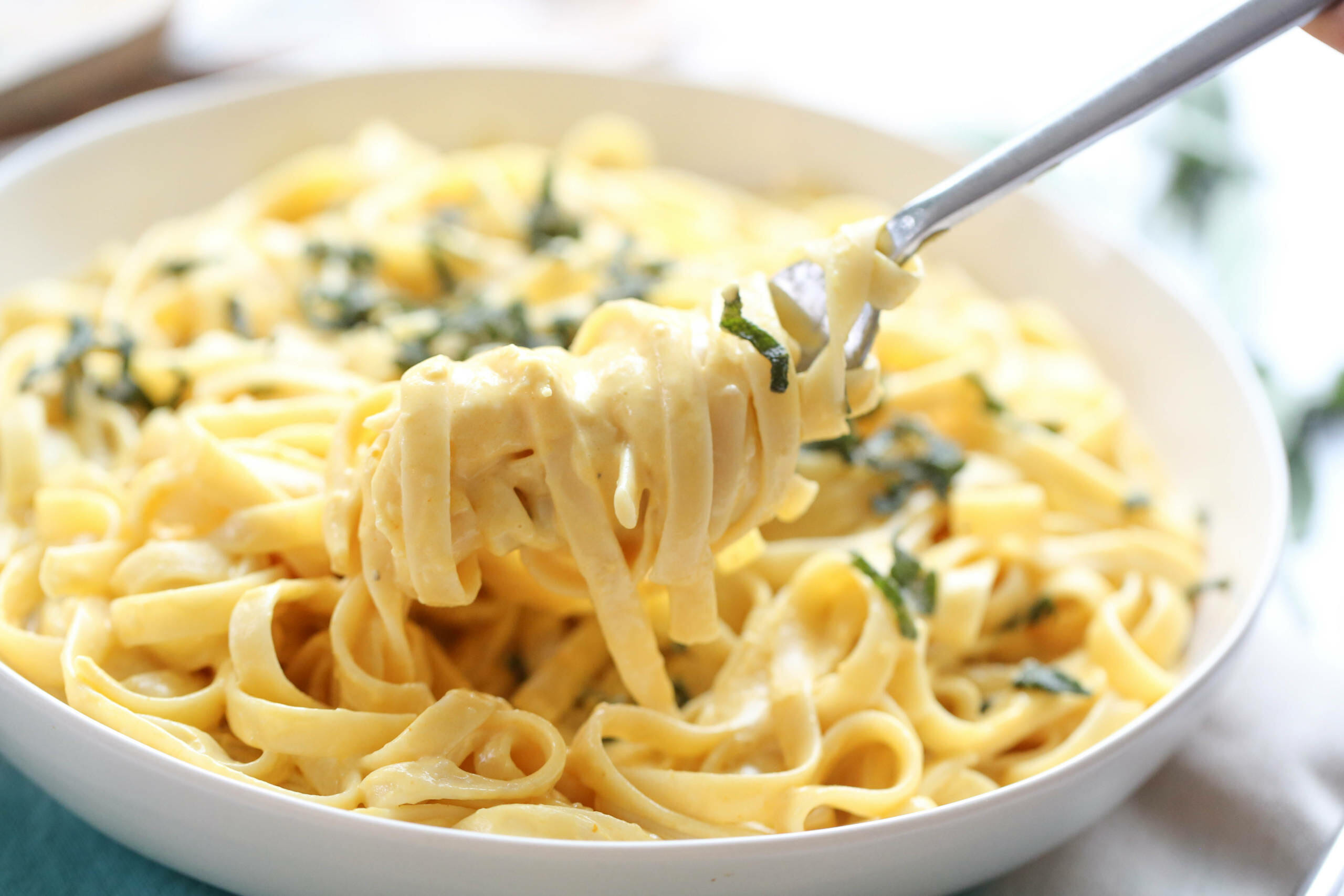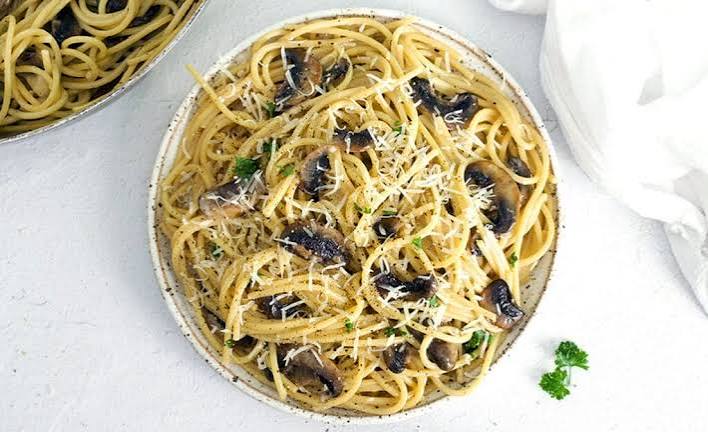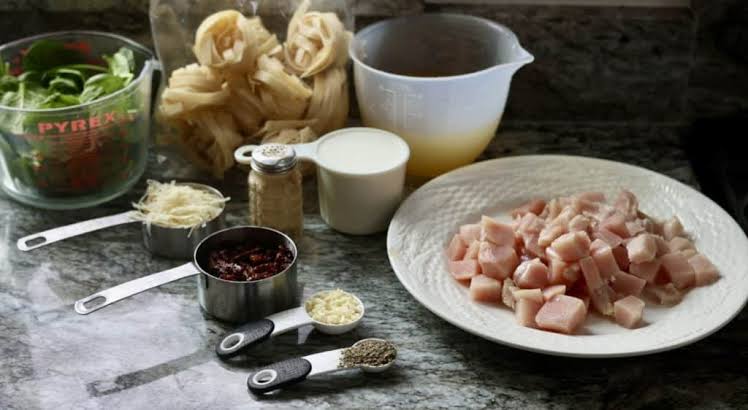
Pasta is one of the most loved comfort foods around the world, known for its incredible ability to adapt to different flavors and culinary styles. While there are countless variations available, from rich tomato-based sauces to fresh herb oil coatings, few dishes can match the pure indulgence and satisfying richness of a classic white sauce pasta. This dish combines perfectly cooked pasta with a velvety, smooth white roux sauce that is heavily enriched with heavy cream and melting cheese.
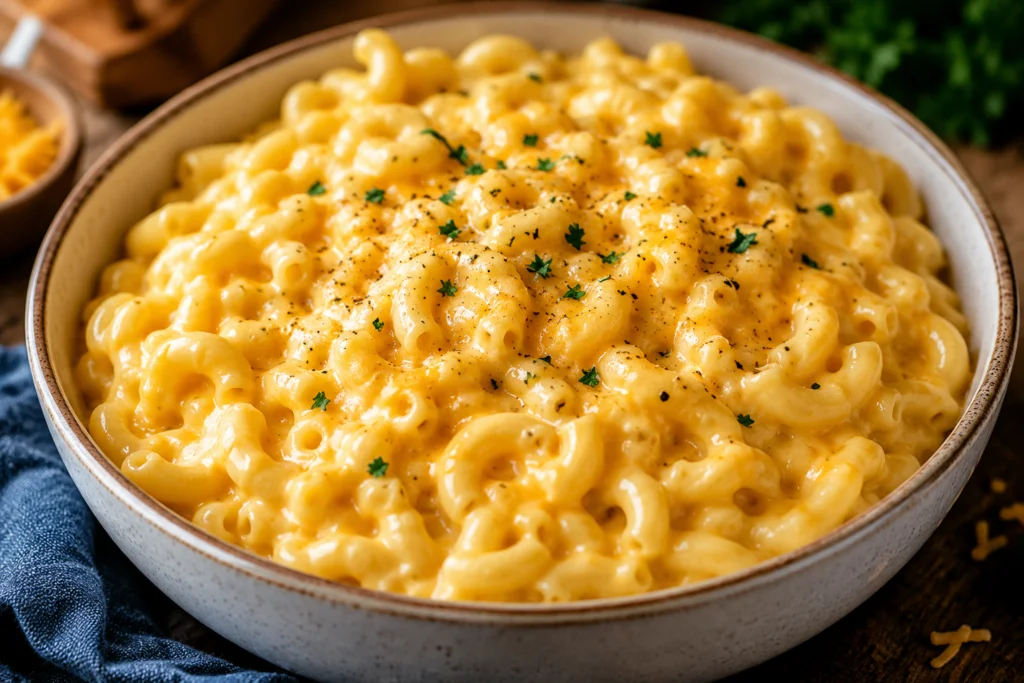
When done right, a white sauce pasta is a luxurious culinary experience. The sauce should be incredibly smooth and glossy, thick enough to coat every single piece of pasta evenly without becoming heavy, sticky, or lumpy.
However, making a flawless white sauce at home can sometimes be a challenge for home cooks. Common mistakes like overheating the dairy can cause the sauce to separate, or failing to balance the flour and butter can lead to a pasty texture that masks the real flavors.
This comprehensive guide will walk you through the essential ingredients, the science of making a perfect roux, and the step-by-step methods needed to master this creamy Italian favorite right in your own kitchen.
The Chemical Secret to a Flawless White Sauce
To successfully make a rich white sauce, traditionally known in French cuisine as a Béchamel sauce, it helps to understand the culinary science behind emulsification. The foundation of this sauce relies on two main components, which include a fat and a starch cooked together to form what chefs call a roux.
When equal parts of butter and all-purpose flour are cooked together over low heat, the fat coats the starch molecules, preventing them from clumping together when liquid is introduced later.
As warm milk and cream are slowly whisked into this mixture, the starch granules absorb the liquid, expand, and burst open, releasing natural thickening agents into the dairy.
This process creates a stable, cohesive emulsion that holds the milk fats and liquids together perfectly. By keeping the cooking temperature steady and whisking constantly, you ensure that the proteins and starches lock together into a silky, velvet glaze that stays smooth even after you add large amounts of melting cheese.
Selecting Premium Ingredients for Absolute Richness
Because a premium white sauce pasta relies on a handful of core components, the quality of each ingredient directly dictates the final flavor, aroma, and mouthfeel of the dish.
First, the choice of pasta shape is highly critical. For thick, creamy dairy-based sauces, always opt for shapes with ridges, hollow centers, or deep pockets like penne, fusilli, or rigatoni. These irregular surfaces act like natural spoons, catching the rich sauce and holding onto it with every bite. Avoid long, thin pasta shapes like spaghetti, as the heavy sauce will simply slide right off the smooth strands.
Second, the dairy products form the entire body of the dish. Use a combination of full-cream whole milk and heavy whipping cream. The milk provides a clean base flavor, while the heavy cream introduces the necessary fat molecules that create a luxurious, glossy finish.
Third, cheese is the element that elevates this dish from a basic sauce to an extraordinary meal. Always select high-quality cheeses that melt smoothly into a liquid. A combination of sharp cheddar for a savory depth and real processed mozzarella or parmesan for that iconic stringy, gooey pull works beautifully. Avoid using pre-shredded cheeses from packets, as they are coated in dry starches that prevent them from melting cleanly into the sauce.
The Art of Cooking Pasta Al Dente
The first physical step in assembly is boiling your chosen pasta, and this process requires precise timing. Fill a large, deep pot with plenty of clean water and bring it to a rolling boil over high heat. Once boiling, add a generous handful of sea salt to the water. Salting the water is a non-negotiable step because it is your only opportunity to season the actual inside of the pasta dough.
Drop your pasta shapes into the boiling water and stir immediately to prevent the pieces from sticking to the bottom of the pot or to each other.
Cook the pasta until it reaches a textural stage known as al dente, which translates from Italian to mean with a bite.
This means the pasta should be cooked through but still retain a firm, slightly resistant center when chewed.
Never overcook your pasta during this boiling phase. Keep in mind that the hot pasta will be added directly into the bubbling white sauce later, where it will continue to cook and absorb liquid for another two minutes.
Drain the cooked pasta into a colander, but always reserve a cup of the starchy, cloudy pasta boiling water before throwing it away. This salty water is a secret weapon that you can use to thin out your sauce later if it becomes too thick.
Mastering the Roux and Building the Sauce
With your pasta ready, place a heavy-bottomed skillet or pan over low heat to begin the sauce. Melt a generous slab of unsalted butter in the pan, taking care not to let it brown or burn. Once the butter is bubbling gently, add an equal amount of all-purpose flour.
Use a wire whisk to stir the flour and butter together continuously for roughly two minutes. This initial cooking phase is vital because it toasts the raw flour, eliminating any unappealing starchy taste while developing a faint, pleasant nutty aroma.
Next, turn the heat down to the lowest setting and begin introducing your warm milk and heavy cream mixture. Pour the dairy into the pan in a slow, steady stream with one hand while whisking vigorously with your other hand.
Adding the liquid slowly while maintaining constant motion is the ultimate secret to preventing lumps from forming.
Once all the liquid is incorporated, let the sauce simmer gently for a few minutes until it thickens into a rich consistency that easily coats the back of a spoon.
Elevating the Flavor Profile with Herbs and Spices
A pure dairy sauce can taste slightly heavy or monotonous if it lacks proper seasoning. To cut through the intense richness of the cream and butter, you must introduce a thoughtful layer of herbs, spices, and aromatics.
Season the thickening white sauce with a pinch of fine salt, freshly cracked black pepper, and a dash of garlic powder or finely minced sautéed garlic.
For an authentic touch of warmth, add a tiny pinch of freshly grated nutmeg. Nutmeg is a traditional addition to white sauces, providing a subtle, sweet-spicy undertone that highlights the natural sweetness of the milk beautifully.
Finally, stir in a generous sprinkle of dried oregano, dried basil, and red chili flakes. The red chili flakes introduce a gentle, lingering heat that stimulates the palate and balances the deep creaminess of the cheese perfectly.
The Ultimate Cheese Integration and Final Assembly
With the seasoned sauce bubbling gently on low heat, it is time to turn it into a cheesy masterpiece. Turn off the stovetop heat completely before adding your cheese. The residual heat of the sauce is more than enough to melt high-quality cheese, and avoiding direct stove heat prevents the cheese fats from separating and turning greasy.
Dump your freshly grated mozzarella, cheddar, or parmesan directly into the warm sauce and fold gently with a spatula until the cheese melts completely, transforming the liquid into a smooth, stringy, and incredibly gooey sauce.
Immediately add your cooked, warm pasta shapes into the pan. Use a gentle folding motion to toss the pasta through the velvet sauce, ensuring that every ridge, hollow center, and pocket is filled with the cheesy mixture.
If you notice the sauce tightening up or becoming too thick, pour in a splash of your reserved warm pasta boiling water.
The natural starches in the water will loosen the sauce instantly while maintaining a perfectly glossy, uniform emulsion.
Presentation, Garnish, and Serving Suggestions
White sauce pasta should always be served immediately while it is piping hot, as the melting cheese fats will begin to solidify and tighten up as the dish cools down on the table. Transfer the creamy pasta into deep, warm serving bowls for a beautiful presentation.
Garnish the top of each portion with an extra sprinkle of grated parmesan cheese, a few cracks of fresh black pepper, and a pinch of bright red chili flakes for a pop of color. Adding a few fresh basil leaves provides a lovely aroma that complements the rich dairy beautifully.