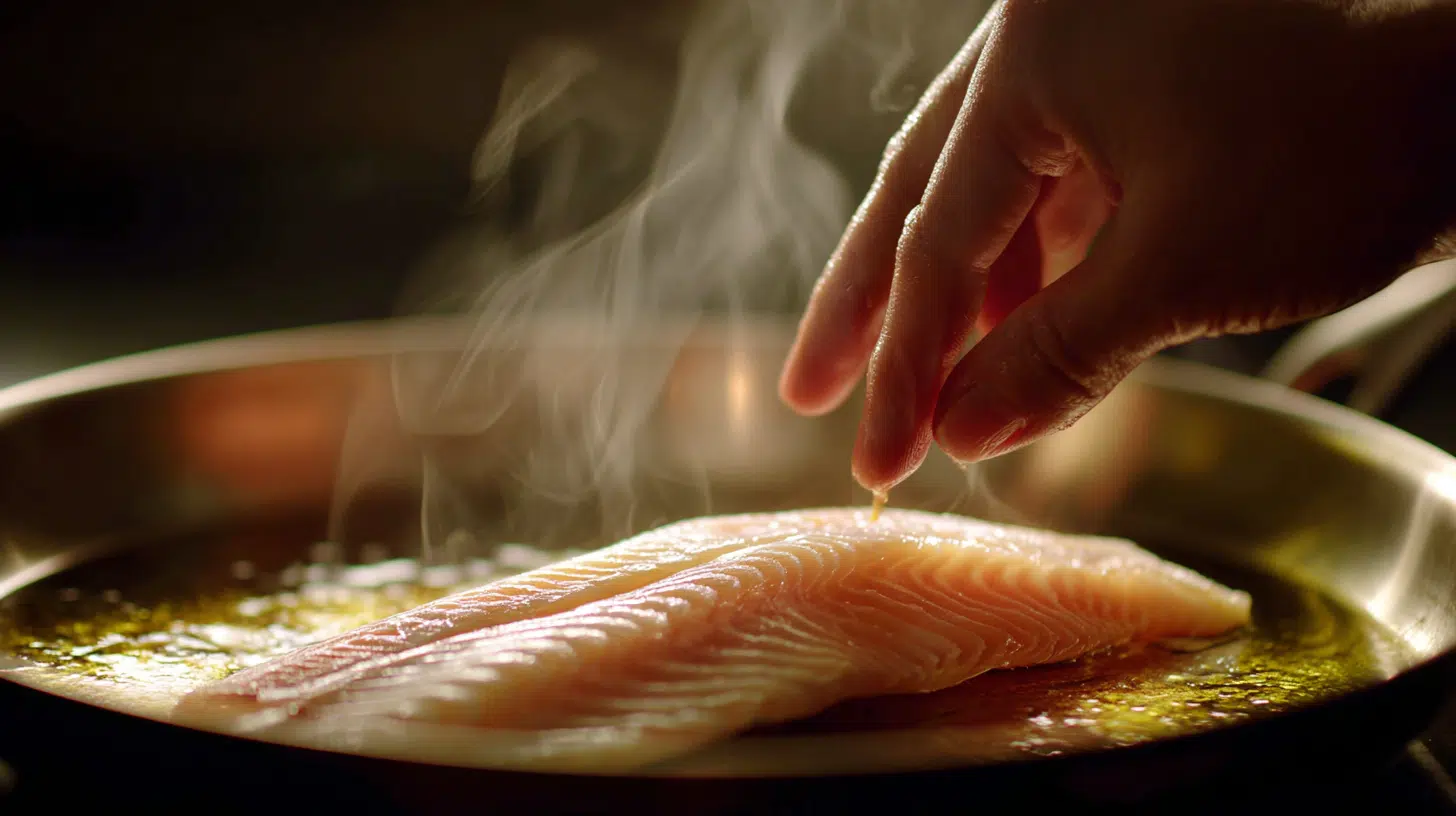
Hosting a successful social gathering or dinner party requires a thoughtful balance of hospitality, atmosphere, and high-impact culinary choices. When guests arrive, the appetizer phase sets the expectations for the entire evening, meaning your first dish must deliver a powerful blast of flavor and visual appeal. While standard finger foods like pastries and fried snacks are common, nothing commands attention or stimulates the palate quite like a steaming platter of authentic spicy tandoori fish tikka.
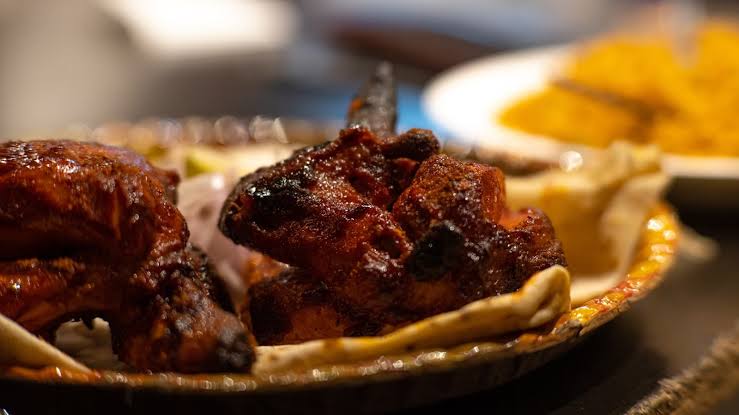
This iconic dish features tender, succulent cubes of fish that have been deeply marinated in a fiery blend of yogurt and aromatic spices, then seared to smoky perfection.
The magic of a well-executed fish tikka lies in the beautiful contrast of its textures and temperatures.
The exterior should showcase a deeply caramelized, slightly charred spice crust that carries a rich, smoky aroma, while the interior remains remarkably juicy, tender, and flaky.
Furthermore, fish cooks in a fraction of the time required for chicken or beef, making it an exceptionally smart and efficient choice for busy hosts who want to spend less time standing in the kitchen and more time interacting with their guests.
The Structural Anatomy of Choosing the Right Fish
To build a flawless fish tikka that can survive the intense heat of a grill, broiler, or tandoor oven without breaking apart, you must select your seafood with absolute intent. Unlike curries, where fish can be delicate, a tikka demands a firm, meaty variety that holds its shape beautifully when skewered and flipped over an open flame.
Excellent choices for an authentic tandoori tikka include kingfish, salmon, cod, monkfish, or clean local favorites like hammour, surmai, and rohu.
These varieties possess a dense muscle structure and a healthy amount of natural fish oils, which prevent the meat from drying out rapidly under high heat.
When prepping the seafood, use a sharp chef’s knife to cut the fillets into thick, uniform cubes, roughly two inches in size.
Cutting them into larger, even blocks ensures that the outside can form a gorgeous char at the same time the center reaches a juicy, perfectly cooked state.
Avoid thin or delicate white fillets, as they will instantly tear, stick to the grates, and crumble into small pieces during the cooking phase.
The Art of Dual Marination for Deep Flavor Extraction
The absolute secret to restaurant-quality fish tikka is a professional culinary technique known as dual marination. Because fish flesh has a high water content and a delicate texture, dumping all the heavy spices and yogurt onto the raw meat at once can create a watery barrier that prevents the flavors from penetrating deep into the muscle fibers.
The first marination is designed to clean the fish, tighten its structure, and build a foundational layer of seasoning.
Place your dry fish cubes into a glass bowl and toss them gently with fresh lemon juice, a splash of mustard oil, ginger paste, garlic paste, and a generous pinch of sea salt.
Let the meat rest in this acidic bath for exactly fifteen minutes.
During these minutes, the citric acid from the lemon juice works to neutralize any muddy or unappealing seafood odors, while the salt draws out excess surface water, firming up the flesh so it is ready to grip the second layer of flavor.
Engineering the Spiced Yogurt Boundary
While the fish undergoes its first rest, you must prepare the second marination, which forms the rich, spicy crust of the tikka. The base of this mixture must be thick, hung yogurt or Greek yogurt. Avoid standard liquid yogurt, as excess water will cause the spice paste to slide off the fish and pool at the bottom of your cooking pan.
In a clean bowl, whisk the thick yogurt with a potent medley of traditional spices,s including toasted cumin powder, aromatic garam masala, crushed coriander seeds, amchur dry mango powder for a tangy kick, and a heavy hand of Kashmiri red chili powder.
Kashmiri chili is a vital component because it delivers a vibrant, deep crimson color without introducing an overwhelming, burning heat that would mask the natural sweetness of the fish.
To elevate the marinade to a premium standard, introduce a teaspoon of roasted gram flour, traditionally known as besan, along with a drizzle of raw mustard oil.
The gram flour acts as a natural binding agent, locking the yogurt and spices onto the fish cubes, while the mustard oil introduces a sharp, pungent warmth that defines authentic tandoori cooking.
Gently fold your fish cubes from the first marination into this thick spice paste, ensuring every side is coated, and refrigerate for thirty minutes.
Simulating the Tandoor Smoke in a Modern Kitchen
A genuine tandoor oven operates at extreme temperatures exceeding 500°F, cooking the meat instantly while infusing it with a distinct smoky flavor from dripping fats hitting hot charcoal. While most modern home kitchens lack a brick tandoor, you can easily simulate this high-heat environment using your oven’s high broiler setting or a heavy cast-iron grill pan on the stovetop.
If you are using outdoor charcoal or an oven broiler, slide your marinated fish cubes onto sturdy metal skewers, leaving a tiny gap between each piece to allow the hot air to circulate uniformly.
Crank your oven broiler or grill to its absolute highest temperature setting and brush the grates with a thin layer of oil.
Lay the skewers down and let them cook undisturbed for roughly four to five minutes per side.
You are looking for specific visual cues, including bubbling oil, a dry matte spice layer, and distinct charred black spots along the edges of the fish cubes.
To mimic the authentic smoky aroma perfectly, you can use the traditional dhungar method. Place a small piece of burning charcoal in a tiny metal bowl, set the bowl inside the container with your cooked fish, drizzle a teaspoon of ghee over the hot coal to release a thick cloud of white smoke, and seal the lid tightly for two minutes before serving.
Presentation, Garnish, and Party Service Protocols
Serving spicy tandoori fish tikka is a theatrical experience that instantly upgrades the energy of your dinner party. Slide the hot, charred fish cubes carefully off the skewers and arrange them beautifully on a wide platter lined with fresh, crisp onion rings, sliced cucumbers, and bright lemon wedges.