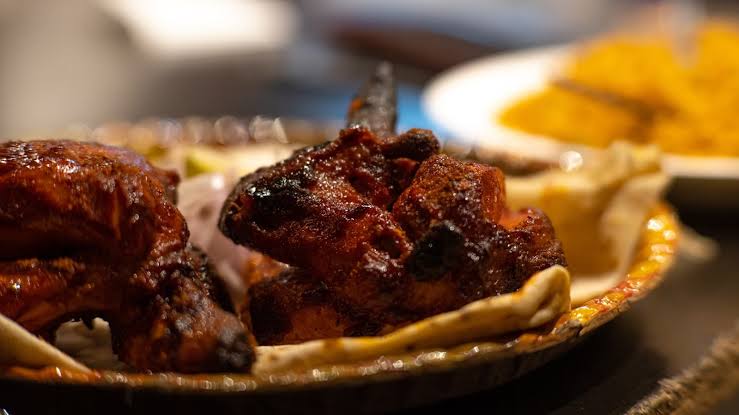
Seafood holds a prestigious position in the world of fine dining, celebrated for its delicate textures, clean flavors, and incredible nutritional value. Among the various methods used to prepare seafood, pan frying is arguably the most popular yet frequently misunderstood technique in the home kitchen. When you order a pan-fried fish at a premium seafood restaurant, it arrives at your table with a flawless, golden-brown crust that stays crisp, while the meat beneath remains remarkably tender, flaky, and bursting with its natural juices.
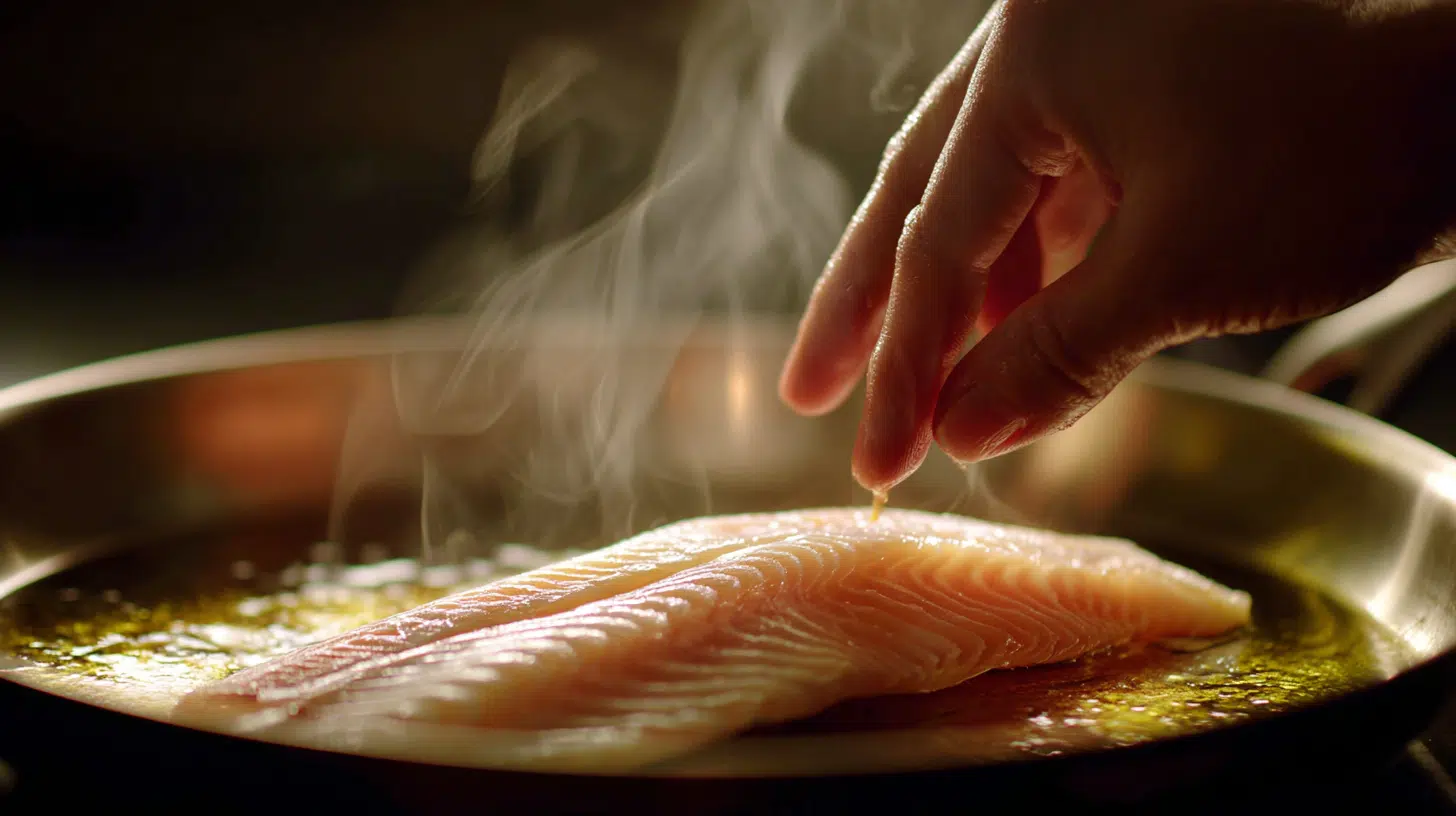
Achieving this restaurant-quality standard at home can often feel like an elusive goal for many cooking enthusiasts.
All too often, homemade attempts result in a soggy exterior, or the delicate flesh tears apart and sticks stubbornly to the hot pan surface.
In worse scenarios, the fish is left cooking for too long, turning the juicy interior into a dry, rubbery, and unappealing meal.
Mastering the perfect pan fry does not require expensive commercial kitchen gear. Instead, it relies on a firm understanding of moisture management, heat distribution, and the natural behavior of fish proteins when exposed to hot fat.
The Critical Science of Surface Moisture Management
The single most important secret to achieving that iconic, shatteringly crisp golden crust on a fish fillet is absolute dryness. This is where the laws of kitchen physics come into play. When moisture is present on the surface of raw fish flesh, the intense heat of the frying pan will immediately turn that water into steam.
As long as steam is actively escaping from the surface of the meat, the temperature cannot rise high enough to trigger the Maillard reaction, which is the chemical process responsible for browning and developing rich, savory flavors.
To prevent your fish from steaming instead of frying, you must aggressively remove all surface moisture before it ever approaches the stove.
Remove your fish fillets from their packaging and place them on a clean cutting board lined with thick paper towels.
Use additional paper towels to firmly press and pat dry every single square inch of the fish, focusing heavily on the skin side if you are cooking skin-on fillets.
For the ultimate professional upgrade, let the uncovered fillets sit in the cold air of your refrigerator for roughly thirty minutes before cooking. The dry environment of the fridge will naturally wick away any remaining microscopic moisture, leaving the surface perfectly prepped to form a world-class crust.
Selecting the Right Fish and Pan Infrastructure
Success in pan frying is heavily influenced by the physical tools and the specific type of seafood you choose to bring into your kitchen. Not all fish are created equal when it comes to surviving the high heat of a skillet.
For an exceptional pan fry, select firm white fish varieties that can hold their structural integrity under heat.
Excellent options include cod, sea bass, red snapper, halibut, or clean local fillets like pomfret and sole.
If you are a beginner, opting for fillets that still have the skin attached is highly recommended, as the skin acts as a natural protective shield that keeps the delicate meat from overcooking or falling apart during handling.
When it comes to cookware, a heavy-bottomed cast-iron skillet or a high-quality stainless steel pan is the absolute gold standard. These heavy pans absorb heat deeply and distribute it uniformly across the entire surface, preventing hot spots that could scorch your fish. Avoid using thin, cheap non-stick pans for this specific task, as they cannot hold the high temperatures required to create a rapid, beautiful sear.
Building a Simple yet Sophisticated Flavor Boundary
Because fresh fish possesses a lovely, subtle sweetness, your seasoning strategy should be deliberate and restrained, aiming to enhance the natural flavors rather than masking them under a heavy blanket of spices.
Just moments before the fish enters the hot pan, season both sides generously with fine sea salt and freshly cracked black pepper.
Never salt your fish too early, as salt is a natural dehydrator that will draw internal water out to the surface, ruining all your hard work of drying the meat.
To create a light, protective barrier that seals in the internal juices while multiplying the crunch factor, dust the seasoned fillets with a very thin layer of all-purpose flour or cornstarch.
Shake off any excess dust thoroughly, leaving a microscopic layer of starch over the meat.
When this starch interacts with the hot oil, it fries instantly into a crispy, golden micro-shell that traps the natural moisture inside the fish throughout the cooking process.
The Thermodynamics of the Sizzle and the First Flip
With your fish dried, seasoned, and lightly dusted, it is time to approach the stovetop. Place your heavy skillet over medium-high heat and introduce a high-smoke-point oil, such as avocado oil, canola oil, or clarified butter or ghee.
You need enough fat to completely coat the bottom of the pan, ensuring the fish does not dry out.
Wait patiently until the oil is shimmering hot and just beginning to show a faint wisp of smoke.
Carefully lay your fish fillets into the hot oil, moving away from your body to prevent any hot fat from splashing back onto your skin.
If you are frying skin-on fish, always lay the fillet skin-side down first.
The moment the cold fish hits the hot pan, the proteins will naturally contract, causing the fillet to curl upward.
To combat this, use a flexible fish spatula to press down firmly on the center of the fillet for the first thirty seconds. This forces the entire surface of the skin to remain in direct contact with the hot metal, ensuring an absolutely flat, uniform, and incredibly crisp finish.
Leave the fish entirely undisturbed for roughly three to four minutes, allowing the golden crust to develop fully before attempting to flip it over.
The Butter Basting Finish for Absolute Juiciness
You will know the fish is ready to be turned when you notice the opaque, cooked color crawling halfway up the side walls of the fillet. Slide your spatula underneath gently, flip the fish over with confidence, and immediately drop the stove heat down to medium-low.
To elevate this dish into a true restaurant experience, introduce a generous tablespoon of unsalted butter, a crushed clove of fresh garlic, and a sprig of fresh thyme into the pan during the final two minutes of cooking.
As the butter melts and foams up, tip the skillet slightly and use a large spoon to repeatedly scoop the hot, garlic-infused butter directly over the top of the fish.
This French culinary technique, known as arroser, distributes heat gently over the delicate upper layers, ensuring the fish cooks through completely without drying out.
Remove the pan from the heat when the internal temperature hits a juicy 140°F, and let the fillets rest on a warm plate for a minute to allow the internal juices to redistribute evenly through the meat.
Presentation, Garnish, and Flavor Pairings
Serving a masterfully pan-fried fish is a moment of pure culinary pride. Place the glistening, golden fillet in the center of a warm plate, ensuring the ultra-crisp side faces upward to preserve that incredible texture.
Garnish the plate with a fresh wedge of lemon and a light scatter of finely chopped fresh parsley.